Why the adhesive matters
The adhesive decides how quickly a tape grabs, how strongly it holds, how well it copes with heat, sunlight and solvents, which surfaces it sticks to and whether it peels off cleanly. Choosing a tape is therefore partly a choice of adhesive chemistry. Almost all industrial tapes use pressure-sensitive adhesives (PSAs) — permanently tacky materials that bond with pressure alone — and three families dominate: rubber, acrylic and silicone.
The three main PSA families
Rubber adhesives
Rubber adhesives are blends of natural or synthetic rubber with tackifying resins. Synthetic types include styrene block copolymers (SIS, SBS) and butyl or polyisobutylene.
- Strengths: very high initial tack, quick grab, good adhesion to many surfaces including some lower-energy plastics, and low cost.
- Limitations: lower resistance to heat, UV and ageing; they can soften, oxidise or leave residue over time.
- Typical uses: carton sealing, masking, duct, cloth and general-purpose tapes, indoor mounting.
Hot-melt adhesives are a way of coating, not a separate chemistry. The most common hot-melts are synthetic rubber, applied molten without solvent. They are economical and grab fast, but soften at relatively modest temperatures.
Acrylic adhesives
Acrylic adhesives are made from acrylic polymers and can be coated from solvent, water (emulsion), as hot-melt, or cured by UV.
- Strengths: excellent resistance to UV, oxidation, ageing and many chemicals; good heat resistance; strength builds over time as the adhesive flows into the surface; often optically clear.
- Limitations: lower initial tack than rubber; low surface energy plastics such as PP and PE can be difficult unless the acrylic is modified with tackifiers.
- Typical uses: outdoor and long-life bonding, foam mounting tapes, double-sided tapes, aluminium foil tapes, protective films and labels.
Water-based acrylics are widely used on packaging tapes; solvent-based acrylics usually give the best heat and chemical resistance.
Silicone adhesives
Silicone PSAs are based on silicone gum and resin.
- Strengths: the widest temperature range of the three, from about −40 ℃ up to around 260 ℃ for many grades; excellent chemical and ageing resistance; they bond to silicone rubber and some fluoropolymer surfaces where other adhesives fail; they usually remove cleanly after heat.
- Limitations: higher cost and lower peel strength on ordinary surfaces.
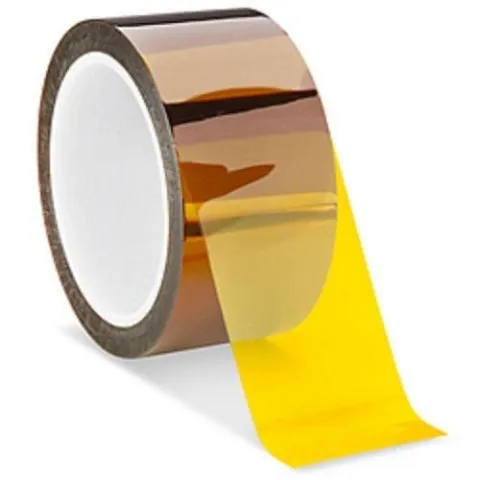
- Typical uses: Polyamide Tape (polyimide) for solder masking, PTFE and glass cloth tapes, splicing silicone-coated papers and high-temperature masking.
Other adhesive systems
- Butyl and mastic compounds: soft, thick, very conformable sealing materials used in Mastic Tape and some sealing tapes.
- Heat-activated adhesives: non-tacky at room temperature, they bond when heated and pressed.
- Water-activated adhesives: starch-based gum on kraft paper that becomes sticky when moistened.
- Epoxy and polyurethane: mostly used as liquid structural adhesives that cure chemically. They are not typical PSA tape adhesives, although some film adhesives are based on them.
Quick comparison
| Property | Rubber | Acrylic | Silicone |
|---|---|---|---|
| Initial tack | High | Medium | Low to medium |
| Ultimate strength | Medium | High | Medium |
| Heat resistance | Low | Medium to high | Very high |
| UV and ageing | Poor | Excellent | Excellent |
| Low-energy plastics | Fair to good | Poor unless modified | Good on silicone and some fluoropolymers |
| Relative cost | Low | Medium | High |
Choosing the adhesive
- Surface: metal, glass and ABS bond readily; PP, PE and powder coats may need a rubber or modified acrylic adhesive.
- Environment: outdoors and long service favour acrylic; high heat favours silicone.
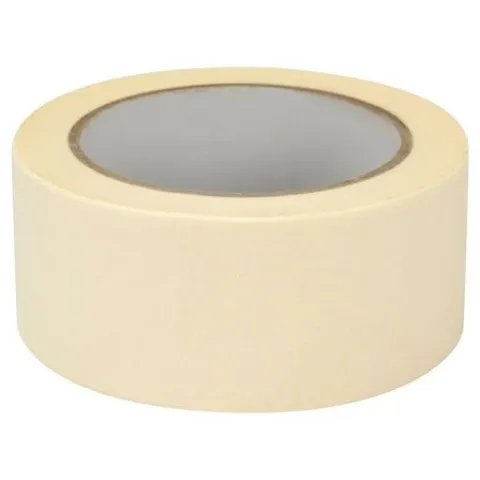
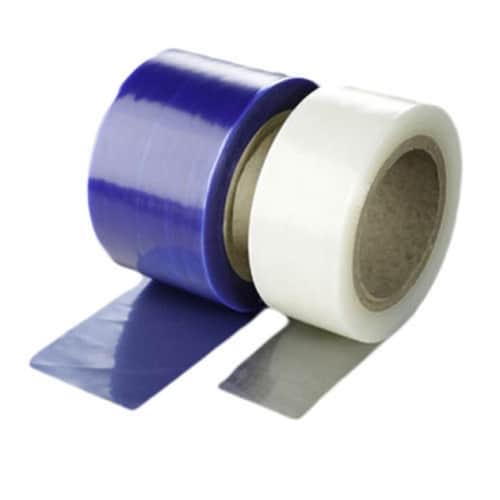
- Removal: temporary jobs need clean removal — consider removable acrylic or silicone grades, as in Masking Tape or Surface Protection Tape.
- Speed: if the bond must hold immediately, rubber's high tack helps.
Key takeaways
- Rubber: fast grab and low cost, but weaker against heat and UV.
- Acrylic: durable, weather-resistant and strong over time.
- Silicone: for extreme temperatures and hard-to-bond silicone surfaces.
- Hot-melt is a coating method; most hot-melt tapes use synthetic rubber.
Frequently asked questions
Which tape adhesive is best for outdoor use?
Acrylic adhesive is usually best because it resists UV, oxidation and ageing much better than rubber.
What is a hot-melt adhesive tape?
Hot-melt describes how the adhesive is coated — molten, without solvent. Most hot-melt tapes use synthetic rubber, giving fast grab at low cost but limited heat resistance.
Why use silicone adhesive?
Silicone adhesive works across the widest temperature range and sticks to silicone surfaces. It is the standard on high-temperature tapes such as polyimide solder-masking tape.
Are epoxy adhesives used on tapes?
Rarely as pressure-sensitive adhesives. Epoxies are mainly liquid structural adhesives that cure, though some specialist film adhesives use them.
Tell us the surface, temperature and job — we'll recommend a grade and share its data sheet.