Temperature is one of the first numbers buyers look for on a data sheet, and one of the most misunderstood. A single figure rarely tells the full story, so it helps to know what is being measured and how the backing and adhesive each respond to heat and cold.
Short-term versus long-term ratings
Most data sheets quote temperature in one of two ways:
- Short-term (peak) resistance — the temperature the tape can withstand for minutes or a few hours, such as a paint bake or a reflow cycle, without the adhesive flowing, transferring or losing its grip.
- Long-term (continuous) resistance — the temperature it can tolerate for days, months or years in service without significant loss of properties.
The short-term figure is always higher. A tape that survives a 30-minute oven cycle may age, harden or lose strength if held near that temperature continuously. Always check which value you are reading, and for how long it applies.
How heat affects a tape
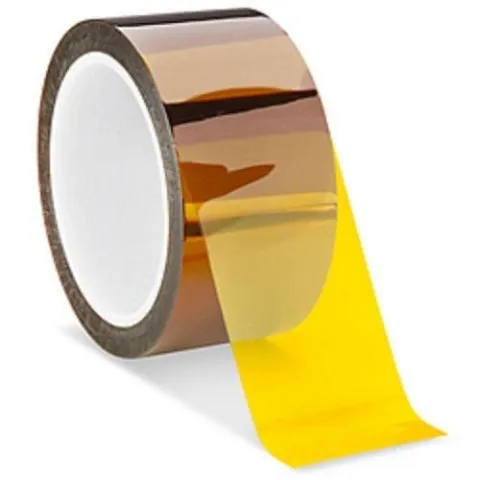
As temperature rises, a pressure-sensitive adhesive softens. Peel strength may stay reasonable but shear holding power drops, so a loaded joint can slowly creep and slip. At higher temperatures the adhesive can flow, leaving residue when removed. The backing matters too: paper can char, PVC softens, polyethylene films shrink, while polyester, polyimide, glass fibre and aluminium foil remain stable at much higher temperatures.
Typical ranges by adhesive chemistry
The ranges below are broad industry guidance; individual products vary, so always confirm on the specific data sheet.
| Adhesive type | Typical character | General temperature capability |
|---|---|---|
| Natural or synthetic rubber | High initial tack, good on many surfaces | Moderate — softens as heat rises; suited to general and indoor use |
| Acrylic | Slower bond build, ageing and UV resistant | Higher — good continuous resistance, often with short peaks above that |
| Silicone | Bonds to many surfaces including silicone | Highest — chosen for oven, soldering and high-heat masking work |
For electrical work, insulation classes give a useful reference: Class B is 130 ℃, Class F is 155 ℃ and Class H is 180 ℃. A tape used inside a motor or transformer winding should be rated for the class of the equipment.
Cold temperatures and cold application
Cold creates two separate problems:
- Application in the cold. Below roughly 10–15 ℃ many adhesives become too firm to flow into the surface, so initial contact is poor. Condensation or frost on the substrate makes it worse. Warm the parts and the tape to room temperature where possible.
- Service in the cold. Once properly applied, many tapes perform well below freezing, but brittle backings or a stiff adhesive may crack or lose grip under impact. Check the minimum service temperature if the joint will see cold storage or winter outdoor exposure.
Masking for oven bakes
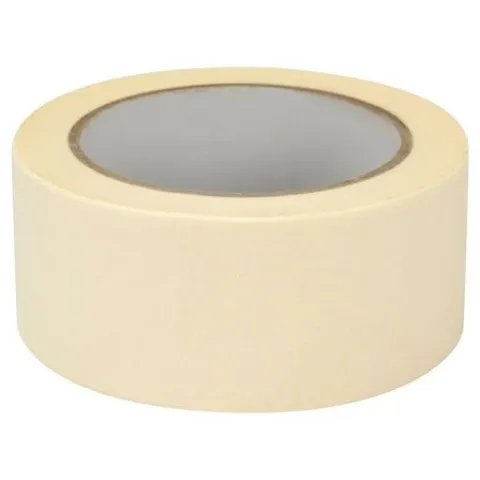
Paint and powder coating lines are where temperature resistance is tested hardest. General-purpose crepe paper tape and masking tape are intended for room-temperature or low-bake work. For higher curing cycles, look for masking tapes specifically rated for the bake temperature and time, and for the hottest cycles, polyester or polyamide tape with silicone adhesive is a common choice.
Practical tips for bake masking:
- Match the tape's short-term rating to both the oven setpoint and the dwell time.
- Remove the tape while it is still warm (but safe to handle) if the data sheet recommends it — residue is often lower.
- Run a test panel through the actual line before full production.
Key takeaways
- Read whether a rating is short-term or continuous.
- Heat reduces shear first; size joints with margin.
- Apply tape at room temperature where possible.
- For ovens, choose a tape rated for both temperature and time.
Aluminium foil tape is another option where the backing itself must cope with heat.
Frequently asked questions
Is a higher temperature rating always better?
Not necessarily. High-temperature tapes often cost more and may have lower initial tack; choose the rating that covers your real peak and continuous conditions with sensible margin.
Why does tape leave residue after an oven cycle?
The adhesive was taken beyond its rated temperature or time, causing it to soften, flow or degrade so it splits on removal.
Can I apply tape outdoors in winter?
It is risky. Below about 10–15 ℃ many adhesives cannot wet the surface properly; warm the surfaces and tape, or choose a product designed for cold application.
What do Class B, F and H mean?
They are electrical insulation temperature classes: 130 ℃, 155 ℃ and 180 ℃ respectively.
Tell us the surface, temperature and job — we'll recommend a grade and share its data sheet.