Surface protection tapes and films are temporary covers that keep finished surfaces free from scratches, dirt, paint splashes and fingerprints during processing, transport and installation. They are meant to stay put while the part is handled, then peel away cleanly. Getting both halves of that job right depends on the film, the adhesive and how long the film stays on.
What a protection film is made of
Most protection tapes use a polyethylene (PE) film, either clear, blue, white or black-and-white. PE is tough, flexible and inexpensive. It is coated with a pressure-sensitive adhesive, usually acrylic or rubber based, designed for clean removal rather than permanent bonding. Some films are co-extruded with a self-adhesive layer instead of a coated adhesive. Films can be printed with handling instructions, logos or arrows showing the direction of a brushed or grained finish.
Surface Protection Tape is supplied in different thicknesses and adhesion levels so it can be matched to the surface it protects.
Adhesion levels
Protection films are usually grouped by how strongly they stick:
| Adhesion level | Typical surfaces |
|---|---|
| Low | Glass, polished stainless steel, high-gloss acrylic and polycarbonate sheet, mirrors |
| Medium | Painted and coil-coated metal, laminates, smooth plastics |
| High | Textured powder coat, rough or matt surfaces, some carpets and floor coverings |
Smooth, high-gloss surfaces make full contact with the adhesive, so even a low tack film holds well. Textured surfaces only touch the adhesive at their high points, so they need a stronger or thicker adhesive. Choosing too high an adhesion on a smooth surface makes removal difficult and increases the risk of residue.
Why adhesion changes over time
Protection film adhesion is not fixed. It often builds up over days or weeks as the adhesive flows into the surface. Heat speeds this up, which is why a film that peels easily in a cool store can become hard to remove after weeks on a hot site. Plasticisers or solvents from fresh coatings can also migrate into the adhesive and change how it behaves. For this reason, apply film only to fully cured paint or powder coat.
UV exposure and removal timing
Sunlight is the main enemy of protection films. UV breaks down the PE film and the adhesive. After too long outdoors the film may become brittle and tear into small pieces, and the adhesive may harden or transfer to the surface, leaving residue that is hard to clean.
Every protection film has a stated outdoor exposure limit on its data sheet. UV-stabilised grades are designed to last longer outdoors, typically measured in weeks or a few months depending on climate, while standard grades are intended mainly for indoor use or short exposure. In strong sun and high temperatures, actual life will be at the shorter end of any rating.
Good practice:
- Remove the film as soon as the part is installed and the risk of damage has passed.
- Do not leave protected profiles or panels stacked in direct sun on site.
- Record the date of application on large projects so removal can be planned.
- Remove film in one smooth movement at a low angle, ideally at moderate temperature.
Surface-by-surface tips
Metals
Stainless steel, aluminium profiles and coil-coated sheet are the largest users of protection film. Brushed finishes need film that suits the grain, and film should be applied before forming or bending if the part is processed afterwards. Some laser-cutting processes require special films.
Glass
Glass needs a low-tack film that will not leave marks on coated or low-emissivity surfaces. Check compatibility with coatings before use.
Plastics
Acrylic and polycarbonate sheets are easily scratched, so films are often applied at the production line. Low adhesion films are normally enough. Avoid films that may react with the plastic over long storage.
Carpets and floors
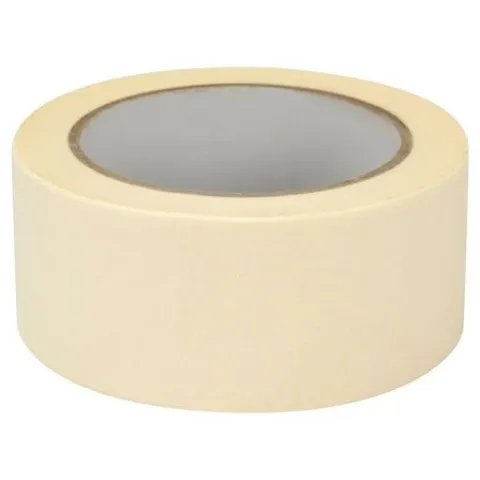
Carpet protection films use a special adhesive that grips the pile without leaving residue, and are typically used for short periods during construction or events. Hard floors are often protected with low-tack films or masking products, and Masking Tape or Duct Tape is sometimes used to fix edges of temporary floor coverings, though these must be removed promptly.
Key takeaways
- Match adhesion to texture: low for smooth glossy surfaces, higher for textured or matt ones.
- Expect adhesion to increase with time and heat.
- Respect the outdoor exposure limit; UV is the main cause of residue and brittle film.
- Apply only on cured, clean, dry surfaces, and plan the removal date.
- Test on a sample panel under realistic conditions before using a new film on a project.
Frequently asked questions
Why does surface protection film leave residue?
Residue usually comes from too long outdoor exposure, high temperatures, too high an adhesion level for the surface, or application on paint that was not fully cured. UV breaks down the adhesive and makes it transfer to the surface.
How long can protection film stay on outdoors?
It depends on the grade and climate; the outdoor exposure limit is given on the data sheet. Standard grades are mainly for indoor use, while UV-stabilised grades last longer, but film should still be removed as soon as possible.
Which adhesion level should I choose for glass?
Glass and other smooth, glossy surfaces normally need a low adhesion film, which holds well and peels away cleanly.
Can protection film be applied to freshly painted parts?
No. Wait until the coating is fully cured, otherwise solvents and plasticisers can interact with the adhesive and cause marking or poor removal.
Tell us the surface, temperature and job — we'll recommend a grade and share its data sheet.