Not every bonding or sealing job fits a standard packing or masking tape. Speciality tapes are built around one specific job, such as sealing a building joint, separating two panes of glass, reflecting light at night or splicing paper so it can be recycled. This overview explains what each type does and where it is used.
Mastic tape
Mastic tape is a soft, thick, highly conformable sealant in tape form, usually based on butyl or similar rubber compounds. It does not fully cure; instead it stays tacky and flexible, flowing into gaps and around irregular shapes. Mastic Tape is used to seal roof sheet overlaps, gutters, ducts, pipe joints, vehicle bodies and cable entries, and for moisture sealing around electrical connections. It is valued where a joint must stay watertight while the parts move slightly.
Spacer tape
Spacer tape holds two surfaces at a fixed distance while also bonding them. Often based on a firm foam core with adhesive on both sides, it is used in glazing and panel work to separate glass or sheet from a frame, and to create a consistent gap for a sealant bead. Spacer Tape helps fabricators achieve the correct bead thickness and keep panels in position while the sealant cures.
Glazing tape
Glazing tape is used where glass meets a frame. Depending on the system, it may cushion the glass, seal against air and water, hold the glass in place during installation or bond it structurally. Closed-cell foams and acrylic foam constructions are common because they seal and absorb movement. Glazing Tape is typical in windows, doors, facades, display cases, furniture and appliances with glass panels.
Reflective tape
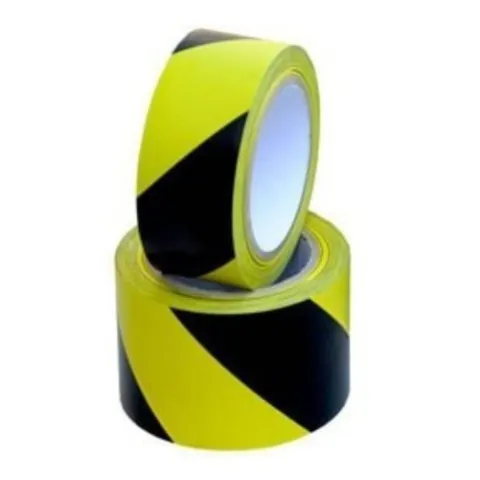
Reflective tape returns light back towards its source, so it appears bright to a driver or observer when lit by headlights or torches. It uses either tiny glass beads or prismatic (microprismatic) structures to achieve this retroreflection. Reflective Tape is used on vehicles, trailers, barriers, poles, safety clothing and warehouse obstacles. Colour and pattern, such as red-and-white or yellow-and-black stripes, follow local road and workplace requirements, so check what applies to your use.
Insect-repellent tape
Insect-repellent tape is a concept tape in which a deterrent agent is incorporated into the tape or its adhesive, so that it discourages insects from crossing or nesting where it is applied. Such tapes are used on packaging, cable bundles, storage areas and similar places where insects can damage goods or cause hygiene problems. Performance, active ingredient and permitted uses depend entirely on the specific product and local regulations, so always refer to the data sheet for Insect Repellent Tape before use.
Sticky mats
A sticky mat is a pad made of many stacked sheets of tacky film, placed at the entrance of a cleanroom, laboratory, hospital area or electronics assembly room. As people walk over it or trolleys roll across, dust and dirt are lifted from shoe soles and wheels. When the top sheet becomes dirty, it is peeled off to reveal a fresh layer. Sticky Mat is a simple, low-cost part of a contamination-control programme alongside gowning and air filtration.
Face-shield and hygiene tapes
Face shields and similar protective items often use tape to attach foam cushioning, seal edges or join components. These tapes need to be comfortable against skin, clean in appearance and suited to fast assembly. Face Shield Tape is used in the production of such disposable and reusable protective products. Hygiene product assembly more broadly relies on tapes that bond non-wovens, films and foams without odour or residue.
Repulpable splicing tapes for paper
In paper mills, converting plants and printing houses, rolls of paper are joined end to end so machines can run continuously. If an ordinary tape is used, its adhesive and carrier end up in waste paper sent back for repulping, where they cause sticky contaminants. Repulpable tapes use a paper carrier and a water-dispersible adhesive designed to break down in the pulper. Single-sided Repulpable Tape is used for butt splices and repairs, while double-sided versions make overlap and flying splices on unwinding rolls.
Choosing quickly
| Need | Speciality tape |
|---|---|
| Flexible, watertight joint | Mastic tape |
| Fixed gap between glass and frame | Spacer tape |
| Cushioning and sealing glass | Glazing tape |
| Night-time visibility | Reflective tape |
| Keeping insects away from goods | Insect-repellent tape |
| Dust control at entrances | Sticky mat |
| PPE and hygiene product assembly | Face-shield tape |
| Paper splicing that can be recycled | Repulpable tape |
Key takeaways
- Speciality tapes solve one job well; choose by function first, then by material.
- Check local regulations for reflective markings and insect-repellent products.
- Use repulpable tapes wherever spliced paper returns to the pulper.
- Always confirm performance with the product data sheet and a trial on your own materials.
Frequently asked questions
What is mastic tape used for?
Mastic tape is a soft, conformable sealant in tape form used to seal roof overlaps, gutters, ducts, pipe joints and cable entries. It stays flexible so joints remain watertight when parts move slightly.
How does reflective tape work?
It uses glass beads or prismatic structures to send light back towards its source, so it looks bright to a driver whose headlights hit it.
What is a sticky mat?
It is a stack of tacky film sheets placed at entrances to clean areas. It lifts dust from shoes and wheels, and the top sheet is peeled off when dirty.
Why use repulpable tape in a paper mill?
Repulpable tape breaks down in the pulping process, so splices and broke paper can be recycled without leaving sticky contaminants.
Tell us the surface, temperature and job — we'll recommend a grade and share its data sheet.