Choosing a carton sealing tape
Carton sealing looks simple, but the tape decides whether a shipment arrives intact, whether tampering is visible, and whether the carton can be recycled cleanly. The main factors are the weight and value of the contents, the carton grade, the handling and climate the shipment will see, the application method (hand dispenser or machine) and the end-of-life expectations of the customer.
BOPP tape
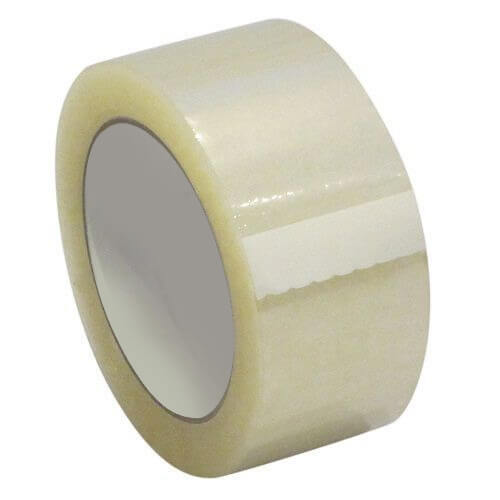
BOPP tape uses biaxially oriented polypropylene film — stretched in both directions for strength and clarity — with an acrylic (water-based), hot-melt or solvent rubber adhesive. It is the default carton sealing tape for most light and medium-weight cartons.
- Acrylic adhesive: clear, resists yellowing and UV, performs across a wide temperature range; slower initial grab.
- Hot-melt (synthetic rubber): strong instant tack, very good on recycled board; can be affected by heat.
- Solvent natural rubber: strong performance in cold and humid conditions and on difficult boards.
BOPP tape is available clear, tan/brown, coloured and printed with logos or handling messages. Thicker films and higher adhesive coat weights suit heavier cartons.
Kraft paper tape (self-adhesive)
Kraft paper tape uses a kraft paper backing with a pressure-sensitive adhesive. It looks like the carton, can be written on, tears by hand and, being paper-based, is often preferred by brands reducing plastic. It is applied like BOPP tape, with a standard dispenser. Its recyclability depends on the adhesive and any coating; paper with a light pressure-sensitive adhesive is generally accepted in paper recycling streams, but checking with the customer's recycler is wise.
Gummed water-activated tape
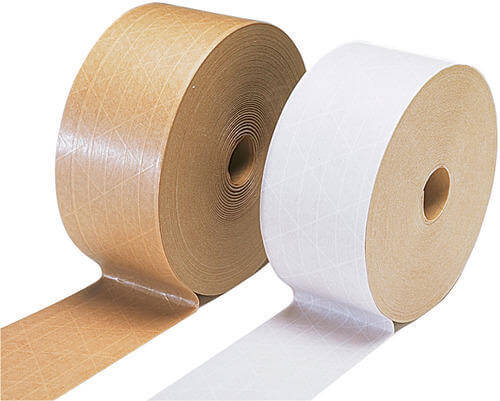
Gummed tape (water-activated tape, WAT) is kraft paper coated with a dry, starch-based adhesive that becomes sticky only when moistened, usually through a dedicated dispenser. The moistened adhesive penetrates the fibres of the carton and, as it dries, forms a bond in which the tape effectively becomes part of the box. Key points:
- A very strong, permanent bond on corrugated board, including in dusty conditions.
- Natural tamper evidence: removing the tape usually tears the carton surface.
- Paper and starch make it recyclable with the carton.
- Reinforced gummed tape embeds glass-fibre or similar strands between paper layers for heavy or high-value shipments.
It needs a water-activated dispenser and does not bond well to plastic or coated surfaces.
Reinforced tapes
Where loads are heavy or cartons are handled many times, reinforcement matters. Options include reinforced gummed paper, and filament or cross filament tapes used to band cartons or reinforce closures. Reinforced tapes help cartons survive drops, stacking and long export journeys.
Security (VOID) tapes
Security packing tape is designed to show if a carton has been opened. The most common type leaves a "VOID" or "OPENED" message on the carton and on the tape when it is peeled away, and the tape cannot be laid back down without the message showing. Variants include serial-numbered tapes, custom-printed messages and tapes that leave a residue pattern. They are used for high-value goods, pharmaceuticals, electronics, cash and document transport, and e-commerce returns control.
Recyclability and repulpable tapes
Tapes affect recycling. Plastic film and some adhesives can contaminate paper recycling or need to be screened out. Approaches to reduce this include:
- Using paper-based tapes (kraft or gummed) on corrugated boxes.
- Using repulpable tape in paper mills, printing and converting, where splices pass back into the pulping process; repulpable tapes are designed so the backing and adhesive disperse in water during repulping rather than forming sticky contaminants.
- Avoiding excessive tape — two or three well-applied strips usually do the job.
Quick selection table
| Need | Suggested tape |
|---|---|
| Light to medium cartons, general shipping | BOPP |
| Plastic-reduction, writable surface | Self-adhesive kraft paper |
| Strong permanent seal, natural tamper evidence | Gummed water-activated |
| Heavy or export loads | Reinforced gummed or filament |
| Visible proof of opening | Security VOID tape |
| Paper mill splicing, recyclable joints | Repulpable tape |
Application tips
- Use a tape width that suits the carton — wider tape for larger and heavier boxes.
- Leave a tail of tape running down each end of the flap seam so the closure resists lifting.
- Press the tape down firmly; pressure-sensitive adhesives need contact to bond.
- Store tape away from extreme heat and cold; very cold rolls can lose tack.
- Match adhesive to the board: hot-melt or natural rubber often grab better on recycled board.
Key takeaways
- BOPP covers most general carton sealing; choose the adhesive for temperature and board type.
- Kraft and gummed paper tapes support plastic reduction and recycle with the carton.
- Reinforced tapes handle heavy and export loads; security tapes reveal tampering.
- Repulpable tapes keep splices out of the waste stream in paper processing.
Frequently asked questions
What is the difference between kraft paper tape and gummed tape?
Self-adhesive kraft tape has a pressure-sensitive adhesive and is applied like BOPP tape. Gummed tape has a starch adhesive activated by water, which bonds into the carton fibres.
Which BOPP adhesive is best?
Acrylic suits clear, long-lasting seals and wide temperatures; hot-melt gives fast grab, especially on recycled board; solvent rubber performs well in cold and humid conditions.
How does VOID security tape work?
When peeled off, the tape leaves a VOID or OPENED message on the carton and on the tape, and cannot be re-laid without the message showing.
What does repulpable mean?
A repulpable tape disperses in water during the paper repulping process, so it does not leave sticky contaminants in recycled pulp.
Tell us the surface, temperature and job — we'll recommend a grade and share its data sheet.