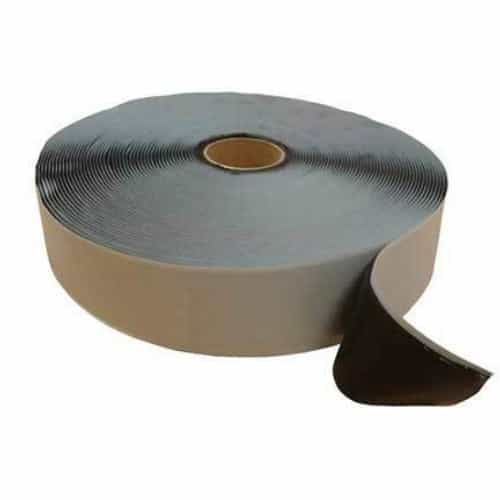
Floor marking tape turns a plain factory or warehouse floor into a visual map. Lines show where people walk, where forklifts run, where materials belong and which areas must stay clear. Tape is popular because it is quick to install, needs no curing time like paint, and can be moved when a layout changes.
Tape materials
PVC film
Most floor marking tapes use a plasticised PVC film with a pressure-sensitive adhesive. PVC is flexible enough to follow minor floor irregularities, comes in bright, consistent colours and resists water, oils and many workshop chemicals. Floor Marking Tape of this type suits pedestrian areas, workstation outlines and light to moderate traffic. General-purpose PVC Tape is sometimes used for short-term marking, but a dedicated floor grade has a thicker film and an adhesive chosen for concrete and coated floors.
Other films and constructions
- Thicker or reinforced vinyl for areas with pallet trucks and regular forklift crossings.
- Polyester or polyolefin films where better abrasion or chemical resistance is needed.
- Aluminium or rubber-backed tapes for very heavy traffic, often with bevelled edges so wheels do not catch the line.
- Anti-slip tapes with a grit surface for steps, ramps and slippery zones.
- Glow-in-the-dark and Reflective Tape to mark escape routes and edges that must be visible in low light.
Common colour-coding practice
There is no single universal law that fixes floor colours for every country and industry. Workplace safety rules generally require aisles and passageways to be clearly marked, and safety-colour standards assign meanings such as red for fire equipment and yellow for caution. Industry has built on these to create a widely used convention. A typical scheme looks like this:
| Colour | Commonly used for |
|---|---|
| Yellow | Aisles, traffic lanes and work cell boundaries |
| White | Equipment, fixtures, racks, carts and workstations |
| Green, blue or black | Raw materials, work in progress and finished goods |
| Orange | Material held for inspection |
| Red | Scrap, rejects, rework and red-tag areas |
| Red and white stripes | Areas to keep clear for safety, such as in front of fire equipment and electrical panels |
| Black and yellow stripes | Physical hazards such as trip, bump or crush points |
| Black and white stripes | Areas to keep clear for operational reasons |
Green is also widely used to mark first-aid points, safety equipment and safe zones. Many organisations publish their own colour chart, so check customer, corporate or local requirements and then apply them consistently across every site.
Floor marking in 5S and visual workplace programmes
In 5S (sort, set in order, shine, standardise, sustain) floor tape is the main tool for "set in order". Outlining a bin, trolley or machine footprint shows at a glance where it belongs and whether it is missing. Corner marks, T-shapes and footprints use less tape than full rectangles and are easier to repair. Keeping a written colour key on the wall helps new staff understand the system and supports the "standardise" step.
Application tips
- Prepare the floor. Sweep, degrease and mop. Oil, dust and curing compounds are the most common reasons for failure. Let the floor dry fully.
- Check the floor condition. Freshly laid concrete or newly painted floors need to cure before tape is applied. Very porous or dusty concrete may need sealing first.
- Snap a line. Use a chalk line or laser to keep long runs straight.
- Apply in a controlled way. Use a floor tape applicator for long aisles, or lay the tape gradually while pressing down, without stretching it.
- Press firmly. Roll the tape with a weighted roller or walk along it; pressure is what brings the adhesive into full contact.
- Finish the ends. Round or chamfer corners and avoid butt joints where forklifts turn, as square corners lift first.
Durability: what affects life
- Traffic type: foot traffic is gentle; turning forklift wheels and dragged pallets are the hardest wear.
- Floor finish: smooth, sealed or epoxy floors usually hold tape better than rough, dusty concrete.
- Cleaning: scrubber-driers and strong cleaners shorten life; check chemical compatibility.
- Temperature: cold stores need tapes rated for low-temperature application.
Damaged sections should be cut out and replaced promptly. A lifted edge collects dirt and spreads quickly under traffic.
Key takeaways
- PVC floor tape covers most indoor marking; move to thicker or rigid constructions for heavy vehicle traffic.
- Follow a clear colour key, with yellow for aisles and red-and-white for keep-clear areas as common practice.
- Surface preparation and firm rolling decide how long the line lasts.
- Use Floor Marking Tape as part of a 5S programme, not just as decoration.
Frequently asked questions
Is there a mandatory colour code for floor marking?
Safety rules generally require aisles to be marked and assign meanings to some safety colours, but a fully fixed floor colour code is mostly industry practice. Use a widely recognised scheme and apply it consistently across your site.
What colour is usually used for aisles?
Yellow is the most common colour for aisles, traffic lanes and work cell boundaries.
How should the area in front of a fire extinguisher be marked?
Common practice is red and white striped tape to show an area that must be kept clear for safety, with red used for fire equipment itself.
Why does floor tape lift at the corners?
Square corners and butt joints catch wheels and dirt. Rounding the corners, rolling the tape firmly and applying it to a clean, dry floor all reduce lifting.
Can floor marking tape be used on newly painted floors?
Allow fresh paint, epoxy or concrete to cure fully before applying tape, otherwise the adhesive may not bond or may damage the coating.
Tell us the surface, temperature and job — we'll recommend a grade and share its data sheet.