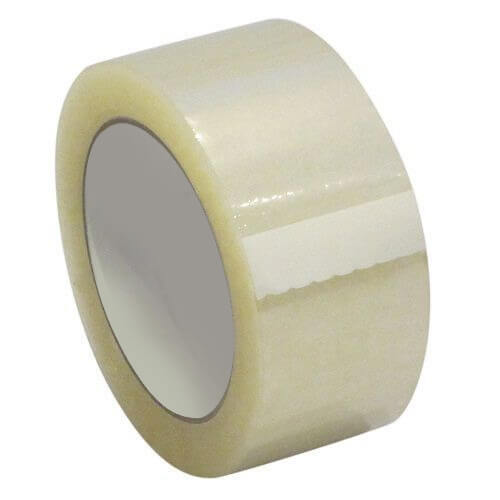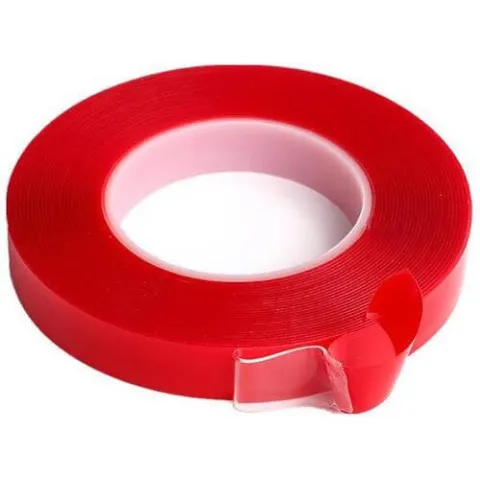
Adhesive tape is not a product that lasts forever on a shelf. The adhesive slowly ages, backings can absorb moisture, and rolls can deform if stacked badly. Good storage protects performance and avoids expensive surprises on the production line.
Ideal storage conditions
Most tape suppliers recommend broadly similar conditions:
- Temperature: around normal room temperature, roughly 20–25 ℃, with no extremes. Many data sheets allow a wider band for short periods, but steady room temperature is best for long storage.
- Humidity: moderate, typically around 40–60% relative humidity. High humidity affects paper, tissue and cloth backings and can soften some adhesives; very dry air can make paper brittle.
- Light: keep rolls away from direct sunlight and UV. UV can age rubber adhesives and some backings.
- Air and contamination: keep rolls in their original cartons or sealed bags to reduce dust, oxygen and solvent vapour exposure.
Avoid storing tape near heaters, ovens, loading-bay doors, or in containers and vehicles that heat up in summer.
Keep rolls in the carton
The original carton protects the roll edges from dust and knocks, keeps out light, and carries the batch or lot information you may need if there is a quality question. Take rolls out only when they are about to be used, and return part-used rolls to a bag or carton.
Store flat or on edge?
Roll orientation matters, especially for wide or soft tapes:
- Lay rolls flat (on their side face) for most tapes. This prevents the weight of the roll deforming it into an oval.
- Do not stack heavy rolls too high; pressure on the lower rolls can squeeze adhesive out at the edges (called oozing or bleeding).
- Foam and thick tapes are more sensitive to deformation; follow any carton markings.
- Keep rolls on shelves or pallets, not directly on cold or damp floors.
FIFO — first in, first out
Label each delivery with its receipt date and use the oldest stock first. This simple habit prevents old rolls from hiding at the back of the store. Record batch numbers for critical applications so you can trace any issue.
Typical shelf life
Shelf life depends on the adhesive, backing and conditions. As broad guidance, many industrial tapes are expected to perform as intended for roughly 12 to 24 months from production when stored correctly, with some products quoted up to 36 months. Acrylic adhesives generally age more slowly than natural rubber adhesives. Always check the specific data sheet — and remember that shelf life assumes proper storage.
| Tape type | Typical shelf life guidance | Notes |
|---|---|---|
| Rubber adhesive (packing, masking) | Around 12 months | Use promptly; sensitive to heat and UV |
| Acrylic adhesive (film, foam, transfer) | Around 12–24 months | More stable over time |
| Paper and tissue carriers | Product dependent | Protect from humidity |
Conditioning before use
If tape or parts have been stored cold, condition them before use:
- Bring tape to room temperature, ideally for 24 hours, before application.
- Do not open a cold carton in a warm, humid room immediately — condensation can form on the roll.
- Make sure the substrate is also at a suitable temperature and dry.
Signs a tape has aged
Watch for difficult unwind, noisy or shattering unwind, adhesive transferring to the back of the next wrap, edges that look sticky or dusty, yellowing, or a noticeable drop in tack. Test a sample before using doubtful rolls on important work.
Key takeaways
- Room temperature, moderate humidity, out of sunlight, in the carton.
- Lay rolls flat and do not overload stacks.
- Use FIFO and record batch numbers.
- Condition cold tape before use.
These points apply to everything from BOPP tape and masking tape to double sided tissue tape.
Frequently asked questions
What is the best temperature to store tape?
Steady room temperature, around 20–25 ℃, with moderate humidity and away from sunlight and heat sources.
Does adhesive tape expire?
Most tapes do not carry a use-by date, but performance declines with age; many are expected to perform for roughly 12–24 months when stored correctly.
Should tape rolls be stored standing or flat?
Most rolls are best stored flat on their side, without heavy stacking, to avoid deformation and adhesive ooze.
What should I do with tape that has been in a cold warehouse?
Let it warm up in its carton at room temperature, ideally for about 24 hours, before opening and applying it.
Tell us the surface, temperature and job — we'll recommend a grade and share its data sheet.